

If I had a nickel…
Fun fact you may not know about me: I was responsible for quality assurance for a large global brand for about a decade. I truly loved that role. While somewhat thankless, it was complicated, fascinating, and actually quite important.
When I was first assigned the role, we needed to establish stronger processes, so we held daily office hours to review product issues. Whenever a program failed a lab test or quality audit, merchants would come to review the report and sometimes would entreat us to pass their product anyway.
“You may not know this, but this program is pretty much carrying the whole department right now…”
That is where I need my nickel. If I had one for every time a junior merchant breathlessly announced that the failing sock, bra, or accessory program in question was the sole difference between enterprise profit and loss… well, let’s just say I’d be extremely rich. We in the Quality Assurance department were reasonable—sometimes we passed the product, sometimes we didn’t.
It takes all kinds of humans to make an ecosystem (or a company) thrive. Quality Assurance people are extremely detail-oriented and perhaps a bit binary in their thinking, but they have to be. You want them to be. Brands need to be aware of and responsible for their true quality challenges.
Case in point: I think Brandy Melville has a zipper problem.
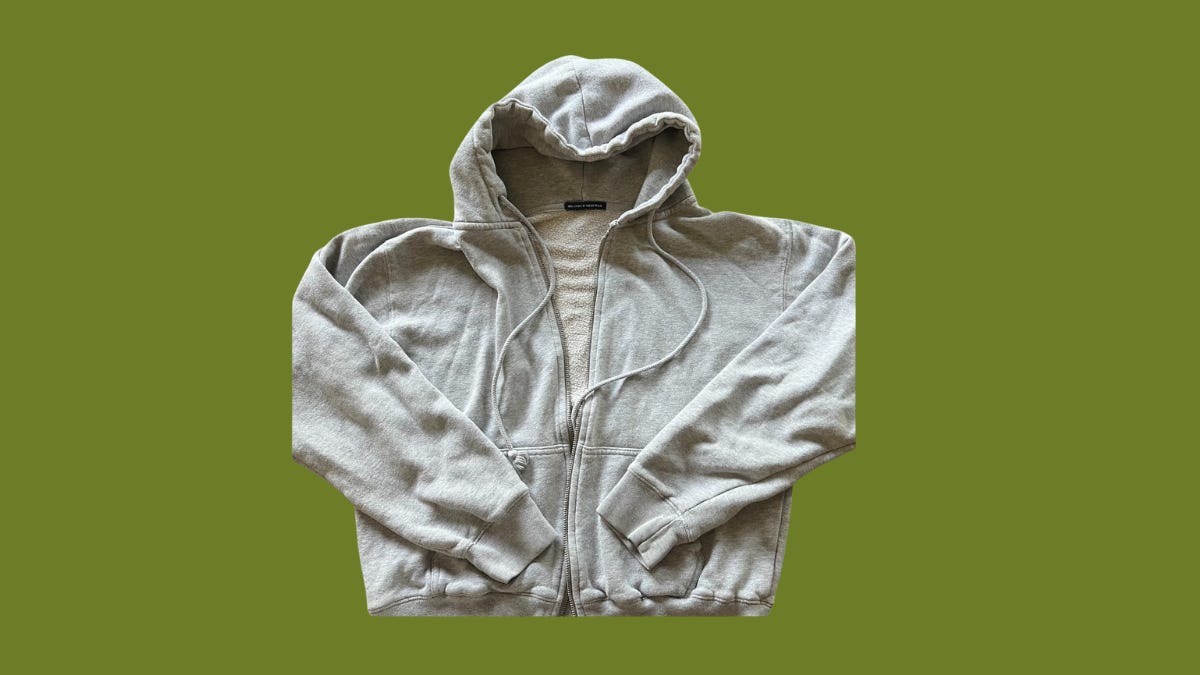
It might be hard for them to know this because of how they handle returns. (And yes, everyone go ahead and judge me—I deserve it. I am a Brandy Melville customer in spite of being well over 50 and despite their rather soulless brand spirit. I already dislike myself a little for it.)
A year or so ago, I went to exchange a fleece zip-up hoodie I had bought a few weeks prior. I had worn it maybe twice before the zipper head completely came off. When I requested an exchange—not a refund, just the exact same item with a working zipper—they stared at me and asked, robotically, if the tags were still attached and if I had a receipt. I had the receipt, but the tags were gone because I had worn it. Out in public.
During this customer interaction no interest was expressed in the quality issue itself.
I won’t make you suffer through the full exchange; it was as obnoxious as you can imagine, undoubtedly on both sides. I was one of those self-righteous people jutting out their chin, typing furiously as I impatiently Googled the CEO’s email address. (I didn’t find it.) Ultimately, I received a perfunctory email with a complimentary gift card and a passive-aggressive note that this was a “one-time exception.” I took a deep breath and re-ordered the identical hoodie. Add it to the list of things I do that make me like myself a little less.
Here is the point: because Brandy Melville doesn’t track or accept returns for quality defects once an item is worn, they likely have zero data on their zipper performance. Yet, of the three Brandy Melville zip-up hoodies that passed through my collection pilot last year, two of them—66%—suffered the exact same zipper failure.
Brandy isn’t alone. I have a Lululemon raincoat I bought on a business trip to Hong Kong years ago. The zipper broke after one wear, and Lululemon allowed me to return it in the US. Then the zipper broke on the replacement. When I wrote to customer service asking for a repair or replacement, they asked for proof of purchase. The jacket was several years old by then, so I didn’t have a receipt, though I offered to let them authenticate the garment. It wasn’t a cheap jacket, I hadn’t worn it more than three times, and historically, Lululemon cared a bit more about garment durability than they seem to now.
When they told me that as I had originally made the purchase outside of the US I needed to track down proof of purchase and contact their international sales team before they’d discuss a zipper, I sent a pretty snarky response back. Also not my proudest or classiest moment.
Zippers are where the conversation around Extended Producer Responsibility gets practical. It’s also where brands should make it as easy as possible to gather feedback from customers.
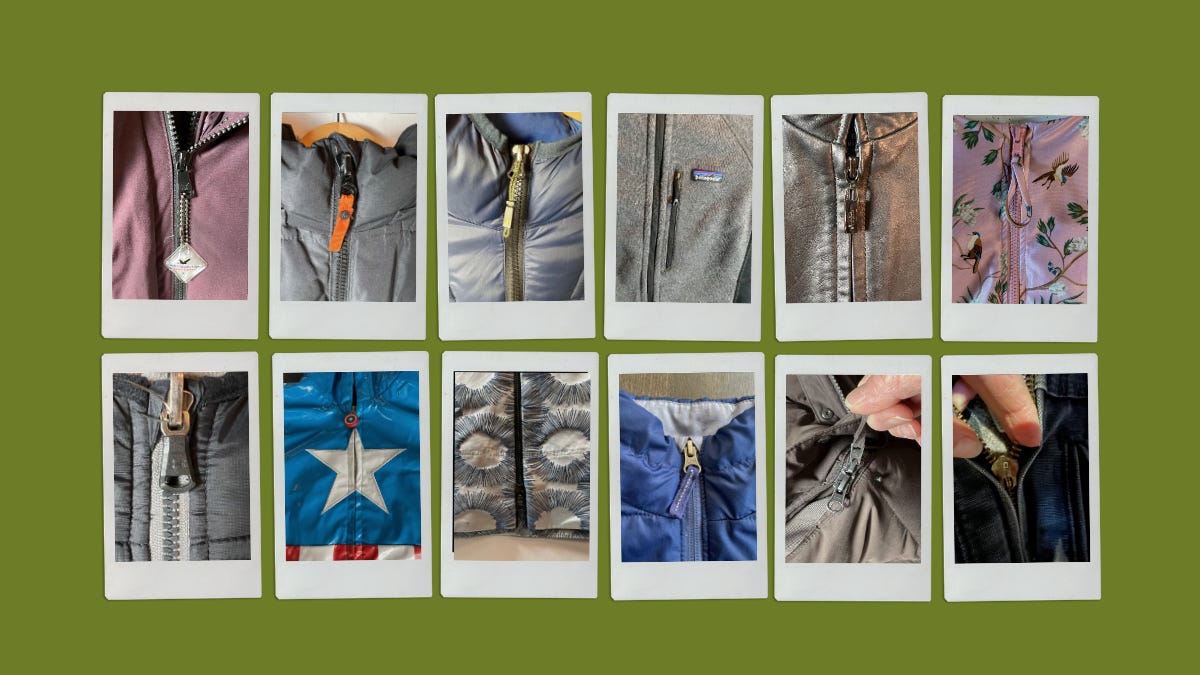
Products with zippers deserve special attention from a sustainability standpoint. The fabrics involved are usually made from fossil-fuel-based fabric blends (like a fleece hoodies) or complex multi-material builds (like outerwear) that will not biodegrade. They also use higher-cost trims and materials, meaning we should endeavor to keep them in circulation as long as possible.
The primary hurdle with zippers is that they are expensive to fix. A while back, I sent a few garments with defective zippers to a professional domestic mending service. The labor cost to repair them ran between $20 and $40 per piece. Even the most dedicated reseller is unlikely to recoup that repair investment upon resale.
So what happens when consumers encounter a defective zipper? They throw the garment in the trash. Or they donate it to a charity shop—where it likely gets thrown in the trash anyway.
It makes me sad, but it doesn’t have to be this way. I have two recommendations, and both are for brands:
Listen to your QA department. Pay attention to that detail-obsessed person in QA who acts like the world is a daily disappointment and refuses to pass a sub-par zipper—even when the vendor tells the merchant it will save $.08 per garment. The merchants might find her frustrating because she isn’t managing the immediate bottom line, but she is doing her job by calculating the true cost of customer disappointment. Spend the extra eight cents on the zipper.
Offer zipper repair policies. Brands should have a policy to cover zipper mending upon request. Yes, it’s expensive—in fact, the repair will likely cost more than the original landed AUC (Average Unit Cost) of the garment. But it builds fierce customer loyalty, keeps your product out of the landfill, and yields priceless quality-control data you desperately need. Choose a third party repair service, put them on retainer, and give their contact info to your customer.
Do you have a garment you love sitting in your closet with a broken zipper? Tell me about it in the comments below!
I bet it WAS fascinating to work in quality assurance!!!! It's another example of how illogical waste is - a company thinks it's too expensive to spend money on quality assurance or quality zippers, yet fixing the problem would likely make them MORE money, and their customers would be happier and buy more. Customer service being increasingly difficult to navigate for an actual solution, venting on the internet is the easiest way to feel heard about product grievances. I don't encourage the use of AI lightly, but it seems like a tool that could gather product reviews across the internet to collect data on things like zipper failure.