
Shifting Traditions: The Polyester Graduation Gown Problem
Why our most sacred educational milestones are wrapped in single-use fossil fuels—and the hard mechanics of changing the model.

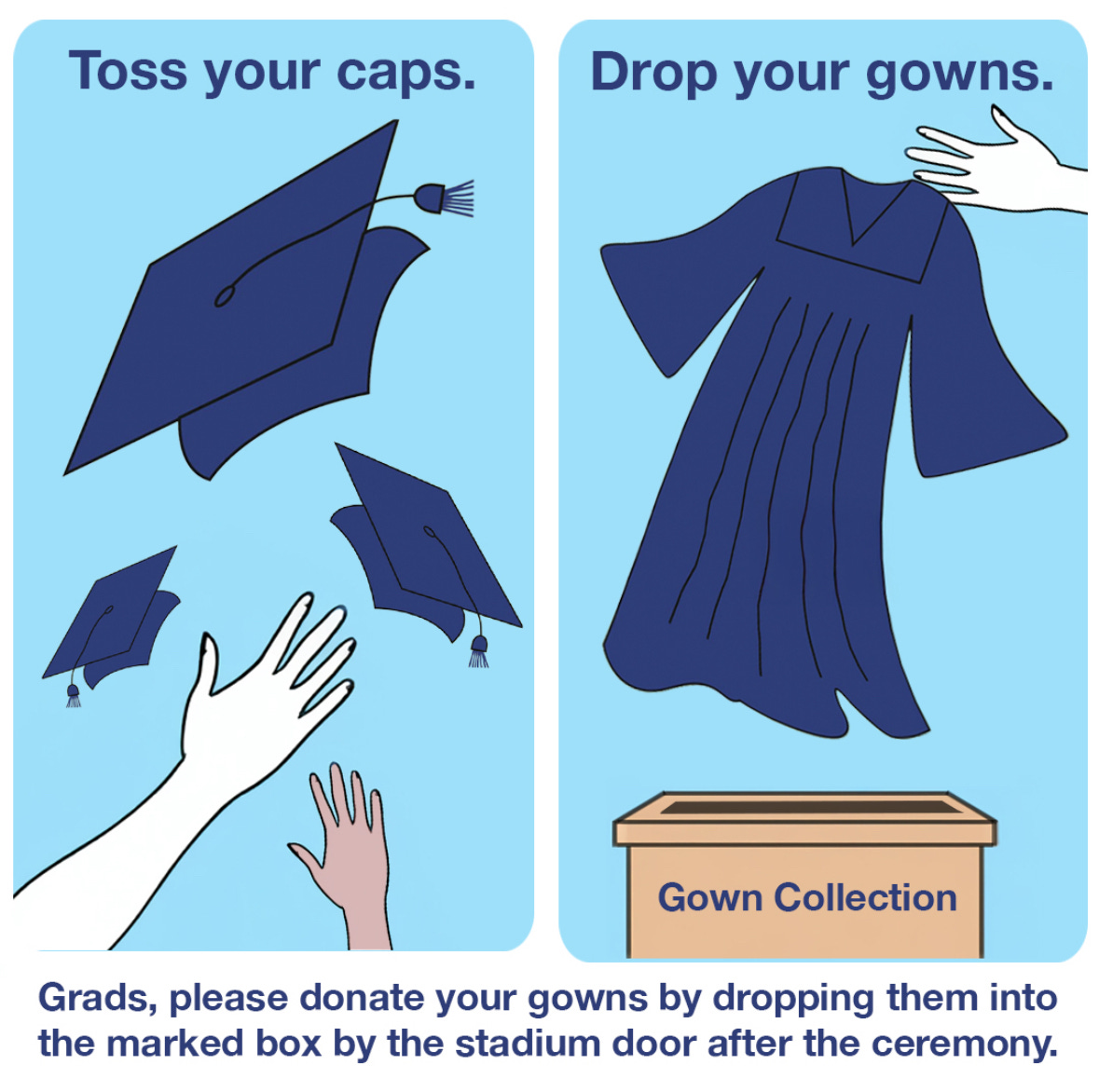
This week-end is the high school graduation in my town of Bexley, Ohio. For the first time in memory graduation gowns were offered to the graduating class as a rental option rather than only a purchase one. I helped to make this happen and I’m feeling deeply proud. I mean I won’t be able to get in and witness the gown return process myself because tickets to Bexley High School graduation rival the BTS 2026 Reunion Tour. I’m thinking I might try to sneak in. Mr. Caudill, the high school principal, will probably add me to a list now.
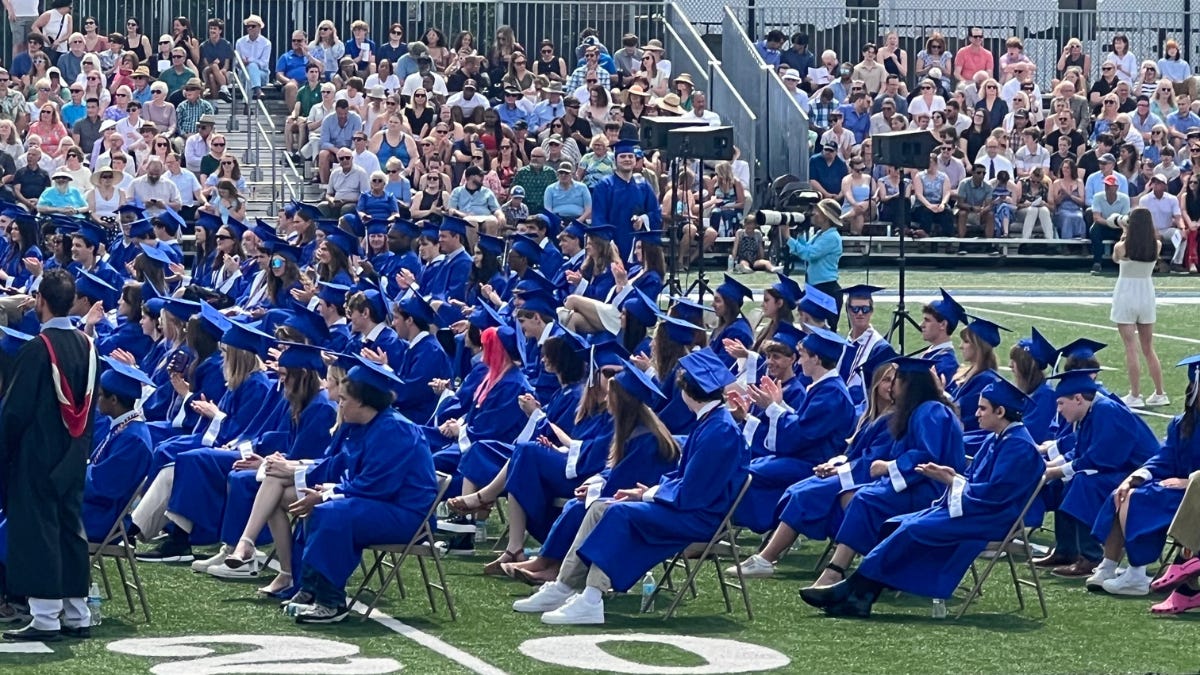
High school graduation is a huge moment. I’m guessing that in smaller communities like mine, where many parents and grandparents also graduated from the same high school, the sacredness of this rite of passage is further amplified. My son graduated from Bexley High School in 2024 and it really was a magical event. Seeing the sea of students dressed in their robes was really fun. But also we are celebrating a massive intellectual milestone by dressing our children in shiny, single-use oil products that will make them sweat for three hours and then sit in a landfill for 500 years. How often are we all dressed exactly the same in a synthetic outfit? I mean other than almost every time we are invited to be bridesmaids? The opportunity to shift the graduation gown model from purchase to rental seemed like a no-brainer and easy. Just change the model and people will do the new thing.

Except that systems change is so hard.
It often involves effort from people who are not paid (or at least not initially). It is hard to get things organized even when they are great, no-brainer ideas. It’s tough to get people to listen—not because they are bad or lazy, but because they are just busy. I have had less success than I wish in getting three lower school PTO’s together to host a clothing or spirit wear exchange. It isn’t because anyone is against the idea but that people are overstretched and have many priorities. I get it but one can feel demotivated and move on to something easier.
The point of this writing is that this systems change for high school graduation gowns actually happened. I want to reflect on why this idea made it across the finish line. It started a few years ago when I reached out to the primary gown suppliers servicing the US. I will maintain a polite exterior and just share that these folks had very little interest in engaging with me. The current model works for them. They get a predictable amount of money at a solid margin for a single use item without much risk.
The purchase is tied up with all of this huge emotional stuff. The customer’s kid is graduating. Everyone’s life is changing in some way. This fossil fuel-based robe, which will feel very hot... and will not biodegrade, is a symbol of this sacred transition. A few companies have their ‘green polyester’ claim on their website. I won’t comment on that here, because the thing that is most needed is systems change from a linear to a circular model. A business for which change could impact profit is simply not the right candidate to move this systems change forward. I basically relearned something I already knew. Companies change what they do when their customer asks them to.
I gave up on this for a while and worked on other things. Then in December of 2024 I received a call from the high school’s head of experiential learning who governs the global scholars program. The principal (Mr. Caudill, same one who has likely added me to that list I mentioned in the time it took you to get to this paragraph on account of my publicly stated plan to sneak into the graduation ceremony) had suggested that I be tapped to serve as a mentor / advisor for a student who wanted to do something related to fashion and the environment for her project. I said yes immediately.
The student and I had the ideal global scholars partnership: an older mentor with operations experience guiding a motivated student who asked all the right questions. We focused heavily on measurement (and yes, a graduation gown LCA white paper actually exists, so you can sleep tonight). We showed up to our meeting with the school and the gown rep with a fully realized plan rather than vague ideas. That’s the secret to systems change: offering actionable solutions. Because our proposal accounted for the logistics, the school staff knew exactly what was being asked of them and could verify that we weren’t just thoughtlessly creating extra work.
We gave ourselves enough time. The project was finalized for 2026 back in March of 2025. The student offered to collect gowns from that year’s graduating class. People saw the process in action which may have improved engagement for the first year of implementation.
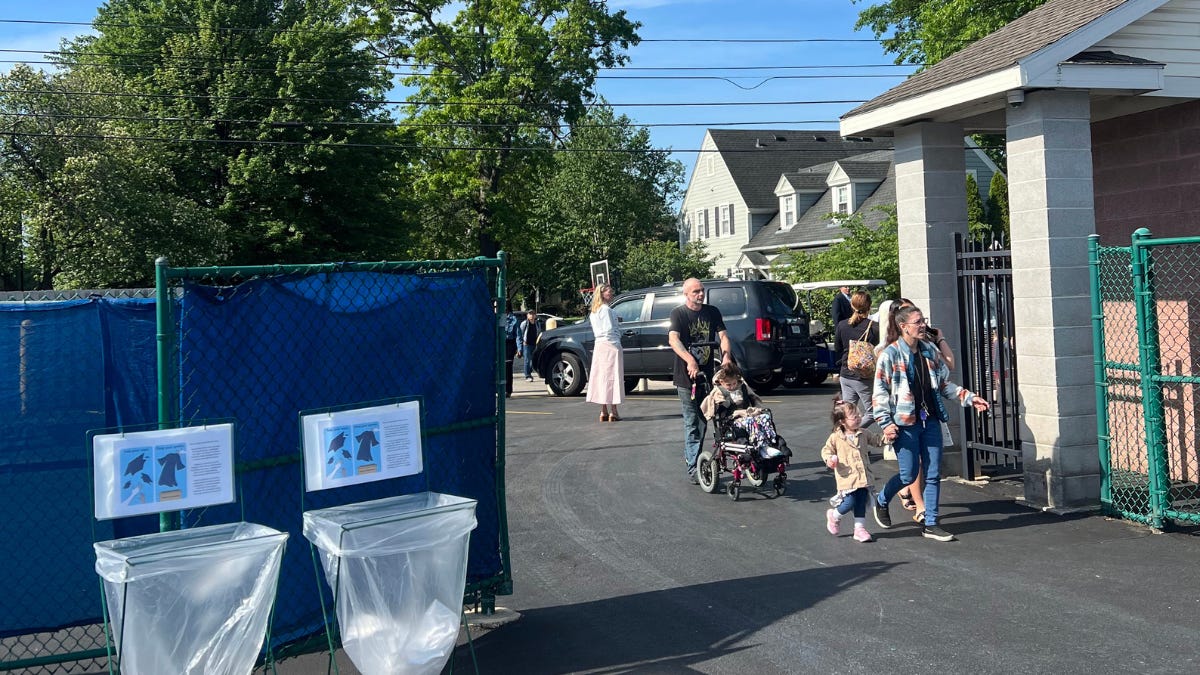
The student who led this global scholars project will graduate this year in a rented robe. She did something with a long-term potential impact which can be repeated all over the country. I’ll probably see her from my hiding spot behind the gown return bins and tell her ‘heyyy’!
Here are some tactical guidelines for anyone looking to implement this in your own community or school.
